 Skip to content
 Can a Christian Have a Demon?
Biblical Truth vs. Modern Myths
Discover what the Bible truly says about believers, demonic influence, and deliverance.
Separate Scripture from tradition and walk in freedom.
Why This Question Matters for Believers Today
Across churches and denominations, sincere believers still ask, can a christian have a demon? This isn’t theory—it’s about freedom, discipleship, and walking in the victory Jesus purchased.
Can a Christian have a demon? Many sincere believers wrestle with this question... The New Testament calls believers to win spiritual warfare (Ephesians 6:10–18). Jesus grants real authority over the enemy (Luke 10:19), yet the same Scriptures warn us not to give place to the devil (Ephesians 4:27). If influence were impossible, why the warning?
Authority is not automatic immunity; it’s a call to exercise what Christ provided—through truth, repentance, resistance, and deliverance. If you’re new to this topic, start here: What is Deliverance?
This page anchors a full content cluster—definitions, objections, signs of oppression, and steps to freedom—so readers can find clear, biblical answers in one place.
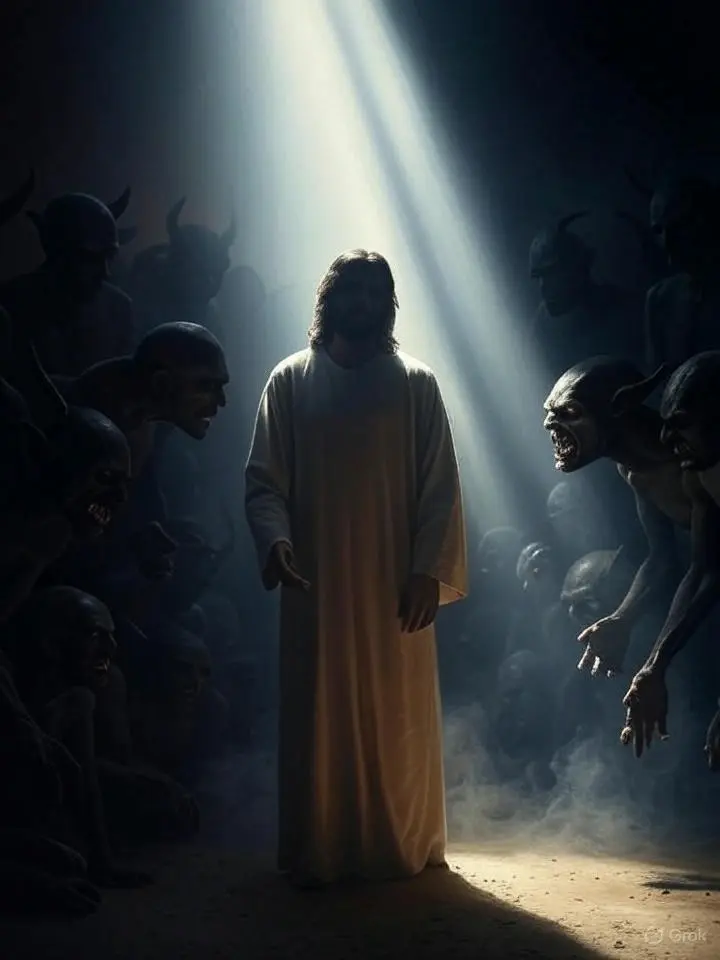
What Does the Bible Say? Possession vs. Influence
The New Testament term often translated “demon-possessed” is daimonizomai (e.g., Matthew 4:24; 8:16, 28; 9:32; 12:22; 15:22), better rendered “demonized” — a spectrum of influence. Jesus owns the believer, yet open doors can allow targeted control in specific areas (Ephesians 4:27). Strong’s G1139 – Daimonizomai (Blue Letter Bible)
“Possession” (Popular Term)
Implies ownership. Scripture does not teach that demons can own a believer (1 Cor 6:19–20). This label is imprecise and fuels confusion.
- Overstates what the text claims.
- Unhelpful for pastoral care.
- Better language: demonized spectrum.
Oppression
**External pressure** that produces spiritual, emotional, mental, or physical effects (Luke 13:11; Acts 10:38). Real warfare against the saints (Eph 6:10–18).
- Feels like a weight or pressure from without.
- Can cycle with triggers or seasons.
- Respond with truth + resistance (James 4:7).
Influence (Demonization)
**Targeted control** in life “rooms” (habits, thoughts, emotions, bodily symptoms). This is the daimonizomai spectrum. Doors open via sin, lies, trauma, occult (Eph 4:27; 2 Cor 10:3–5).
- Not ownership; area-specific control.
- Requires repent → renounce → command → seal.
- Goal: enforce Jesus’ Lordship room by room.
Quick clarity: We use the exact phrase can a christian have a demon to address the common query. Biblically precise teaching points to demonization rather than ownership.
Can a Christian Have a Demon? Clarifying Terms
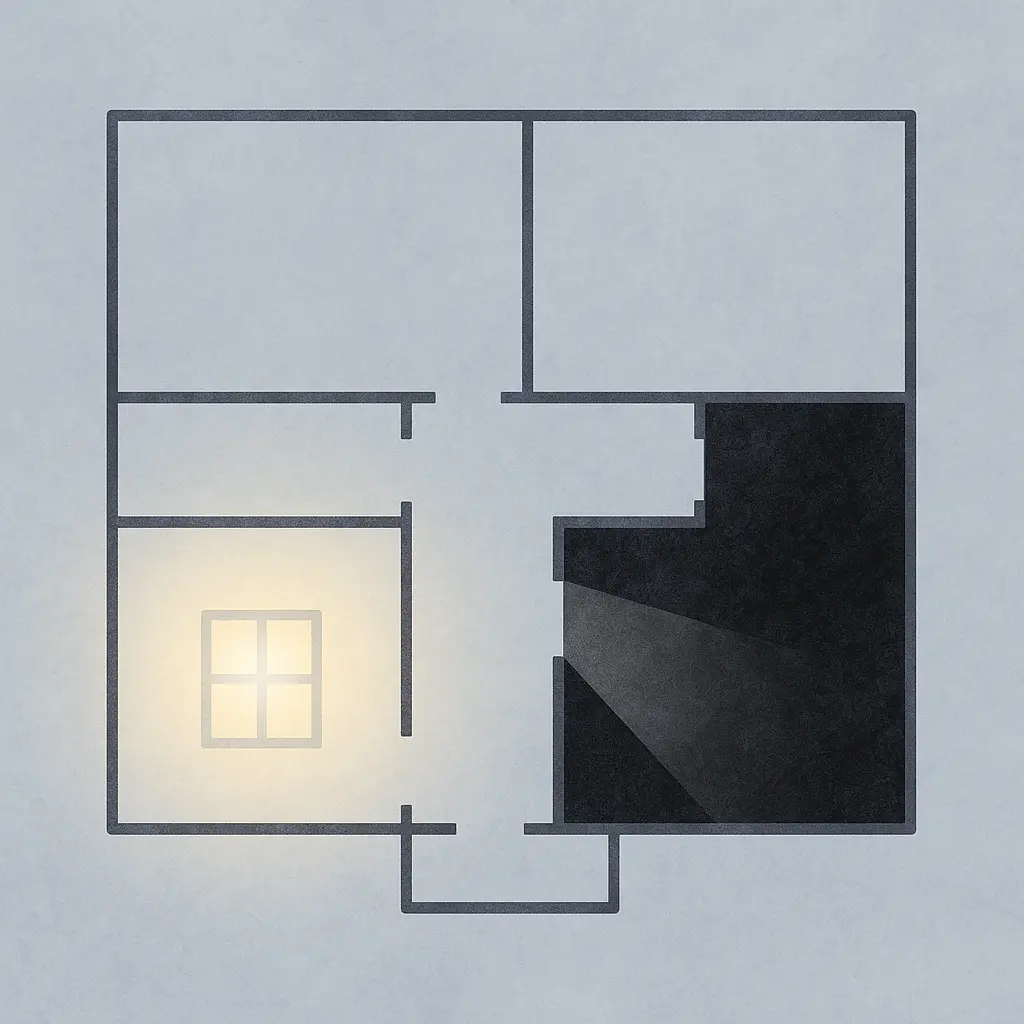
The Holy Spirit indwells the believer’s spirit (Romans 8:9; Ephesians 1:13–14). Demonic influence targets the soul and body—mind, emotions, behaviors, trauma points (Ephesians 4:27; Luke 13:11). Different “rooms,” one Lord. Deliverance enforces His Lordship in every area.
- Different Categories of Indwelling. The Spirit seals and fills our spirit. Warfare focuses on areas of thinking, habits, and wounds (2 Corinthians 10:3–5).
- Warnings Address Believers. “Do not give place to the devil” (Ephesians 4:27); “Resist the devil” (James 4:7). Warnings imply possibility—and responsibility.
- House Analogy. Jesus owns the “title deed,” but neglected rooms can harbor squatters. Deliverance closes doors and evicts what doesn’t belong.
Precision matters: Scripture never says demons can “own” a Christian. The real question is can a christian have a demon influencing areas of life. Biblically, yes—deliverance is the answer.
Five Biblical Examples of Believers Facing Demonic Influence
Scripture shows that even God’s people can face targeted influence and pressure—one reason the New Testament commands believers to resist the devil and close open doors (Ephesians 4:27; James 4:7).
- 1
Peter’s Words Influenced (Matthew 16:23)
Jesus rebukes Satan’s influence working through Peter’s well-meaning words. A reminder that influence can touch speech and perspective—without “owning” the believer.
- 2
Ananias and Sapphira (Acts 5:3)
“Why has Satan filled your heart to lie…?” Clear satanic pressure inside a church context, revealing how deceit and agreement with darkness open doors.
- 3
Do Not Give Place to the Devil (Ephesians 4:26–27)
Addressed to believers: unresolved anger can grant a foothold. Freedom requires repentance, forgiveness, and practical steps to shut the door.
- 4
Daughter of Abraham, Spirit of Infirmity (Luke 13:11–16)
A covenant woman oppressed for eighteen years—until Jesus set her free. Physical symptoms can have spiritual roots; deliverance is a mercy, not a stigma.
- 5
Strongholds in the Church (2 Corinthians 10:3–5)
Arguments and thoughts must be pulled down and brought captive to Christ—ongoing warfare for believers, not just unbelievers. Truth demolishes the lie structures.
Common Open Doors & Signs You May Need Deliverance
Not every struggle is a demon—we battle the world, the flesh, and the devil. When these patterns persist despite repentance and discipleship, consider targeted deliverance (Ephesians 4:27; James 4:7).
-
Compulsions that Override Willpower
Patterns that persist beyond self-control (Romans 7:15–25); “snap-back” cycles after short relief.
-
Night Torment & Unclean Dreams
Sleep paralysis, night fear, recurring unclean themes (Psalm 4:8; 2 Timothy 1:7).
-
Crippling Fear, Panic, or Dread
Beyond normal anxiety; persistent atmosphere of fear (1 John 4:18).
-
Intrusive, Blasphemous, or Violent Thoughts
Imposed thoughts that feel “not me”; need to be taken captive (2 Corinthians 10:5).
-
Unrelenting Heaviness or Despair
Garment of praise for the spirit of heaviness promised (Isaiah 61:3) but oppression lingers.
-
Unexplained Physical Symptoms
When medical causes are excluded, consider a spiritual root (Luke 13:11–16; Mark 9:17–25).
-
Inability to Stay Free
Temporary relief followed by relapse; indicates a door still open (Galatians 5:1).
How Deliverance Works for Believers
Salvation deals with our position in Christ; deliverance deals with our condition. Scripture shows believers can be saved, sealed, and still need freedom in specific areas.
1. Salvation Is Instant, Sanctification Is Progressive
We are born again in a moment (John 3:3), but our minds and habits are renewed over time (Romans 12:2). Deliverance removes hindrances to growth.
2. Believers Are Warned to Close Doors
Ephesians 4:27 tells believers not to give place to the devil. James 4:7 commands resistance. These warnings make no sense if demonic influence were impossible post-conversion.
3. Deliverance Is Part of Discipleship
Jesus ministered deliverance to those already following Him (Mark 1:21–27). Freedom is not a one-time event but an aspect of walking as His disciple.
Pastoral Next Steps: Repent, Renounce, Resist, Replace
A Christian cannot be owned by darkness—but believers can be demonized in areas where doors remain open. The gospel doesn’t minimize warfare; it empowers victory through repentance, truth, and deliverance.
The Bottom Line
So, can a christian have a demon? Biblically, believers may face demonic influence or oppression. Jesus grants authority, and Scripture commands us to close doors, resist the devil, and enforce Christ’s triumph.
- Deliverance complements discipleship—freedom enables obedience.
- Close legal grounds: sin patterns, unforgiveness, occult ties, lies, trauma points.
- Use the pattern: repent → renounce → command → seal.
FAQ: Can a Christian Have a Demon?
Clear, biblical answers to the most common questions believers ask about demonic influence and deliverance (NKJV).
Can the Holy Spirit and a demon dwell in the same person?
The Holy Spirit indwells the believer’s spirit (Romans 8:9; Ephesians 1:13–14). Demonic influence targets the soul and body—mind, emotions, habits, trauma points (Ephesians 4:27; Luke 13:11). Different “rooms,” one Lord. Deliverance enforces His Lordship.
What’s the difference between possession and oppression?
Scripture points to daimonizomai—“demonized,” a spectrum of influence—rather than ownership. Oppression is pressure from without; influence can reach specific areas. Jesus owns the believer; deliverance closes open doors (Ephesians 4:27).
Do Christians need deliverance after salvation?
Many do. Salvation is instant; sanctification and freedom unfold. Believers are told to submit to God, resist the devil, and not give him place (James 4:7; Ephesians 4:27; John 8:31–32). Deliverance complements discipleship.
What are signs that I may need deliverance?
Compulsions overriding willpower, night torment, crippling fear, intrusive thoughts, persistent heaviness, unexplained physical symptoms, and inability to stay free. If patterns persist, consider targeted deliverance (Luke 13:11–16; 2 Corinthians 10:3–5).
Next steps
Your Journey Toward Freedom
If you’re new here, start by learning what is deliverance. Then strengthen your walk with focused deliverance prayers. If you need personal help, you can book a deliverance session.
Understand
Build a biblical foundation so you can recognize access points and close doors.
Read: What Is DeliverancePray
Use Scripture-led prayers to renounce, command, and walk in freedom in Jesus’ name.
Open Deliverance PrayersGet Help
If you’re facing heavy oppression, don’t battle alone—get support and guidance.
Book a Deliverance SessionWant more teachings? Browse resources or read testimonies of freedom.